

Denver's affordable housing crisis is addressed through innovative initiatives, focusing on multifamily loan programs as a key driver. These specialized loans target developments with dedicated low-income units, reducing developer risk and attracting tenants. Community engagement, sustainable building practices, modular construction, and accessible financing models enhance project impact. Denver's successes, like the "Housing First" approach, demonstrate improved social cohesion, educational outcomes, and crime reduction in affordable housing areas. Multifamily loan Denver programs are crucial for long-term societal well-being, fostering community resilience, breaking poverty cycles, and creating vibrant, diverse urban environments.
Addressing the housing crisis is paramount, especially for low- and moderate-income families seeking affordable options. In cities like Denver, the shortage of accessible multifamily housing has created a significant challenge, pushing residents into unaffordable or substandard living arrangements. This situation demands innovative solutions to ensure every individual can find a safe, stable home that meets their needs. We explore how affordable housing initiatives, particularly those involving multifamily loan programs in Denver, offer a viable path forward. By examining successful strategies and best practices, we aim to provide valuable insights for fostering inclusive and sustainable communities through responsible lending and development.
- Understanding Affordable Housing Needs in Denver
- Multifamily Loan Programs: Denver's Economic Catalyst
- Community Engagement: Building Support for Initiatives
- Design and Construction: Creating Quality, Low-Cost Housing
- Long-Term Sustainability: Ensuring Housing Security for All
Understanding Affordable Housing Needs in Denver

Denver, a rapidly growing metropolis, faces significant challenges when it comes to addressing its affordable housing needs. According to recent data, there is a substantial gap between the number of affordable housing units required and those available, particularly for low- and middle-income residents. This discrepancy is even more pronounced in specific neighborhoods, where the cost of living has surged due to increased demand from tech industry folks and other professionals. Understanding this dynamic requires a deep dive into the city’s unique demographics and economic factors.
One key aspect to consider is the growing demand for multifamily housing. The city’s vibrant economy and diverse job opportunities have attracted a younger, urban demographic seeking affordable options. To cater to this need, Denver has implemented various initiatives, including tax incentives and public-private partnerships that encourage developers to build multifamily loan Denver properties. For instance, the city’s “Affordable Housing Fund” provides low-interest loans for projects that include a certain percentage of units dedicated to low-income families. This strategy not only increases the availability of affordable housing but also fosters community development and diversity.
However, addressing this crisis requires more than just new construction. Effective affordable housing initiatives must also focus on preserving existing stock. Many historic neighborhoods in Denver are at risk of gentrification, leading to the displacement of long-time residents. Implementing policies that protect rent control and provide subsidies for low-income households can help stabilize these communities. Moreover, leveraging data analytics to identify areas with the highest need can guide resource allocation, ensuring that limited funds are directed towards the most impactful projects. By combining innovative financing mechanisms like multifamily loan Denver programs with strategic preservation efforts, Denver can work towards a more inclusive and sustainable future.
Multifamily Loan Programs: Denver's Economic Catalyst

Denver’s affordable housing crisis has long been a pressing issue, but innovative initiatives are transforming this landscape. Among these, multifamily loan programs stand out as a powerful economic catalyst. These financing options specifically target multifamily developments, offering a range of benefits that drive both accessibility and growth within the city.
The impact of these loans is evident in recent projects across Denver. For instance, the City’s “Housing First” approach, funded partly through multifamily loan denver initiatives, has successfully housed over 1,500 individuals experiencing homelessness, demonstrating the direct positive effect on community well-being. Furthermore, data from the Denver Regional Council of Governments shows a 23% increase in affordable housing units since 2018, largely attributable to these specialized loan programs. This surge in accessible housing is not only addressing a critical need but also stimulating local economies as new developments bring investment and job opportunities to neighborhoods.
Experts praise these initiatives for their comprehensive nature, providing not just financial support but also technical assistance and community engagement strategies. By fostering partnerships between developers, investors, and government bodies, multifamily loan denver programs create a sustainable ecosystem for affordable housing. Developers benefit from reduced risk and access to capital, enabling them to construct more units at competitive prices. This, in turn, attracts tenants who contribute to the city’s cultural vibrancy and economic diversity. As Denver continues to grow, these well-structured loan programs will be pivotal in shaping an inclusive and prosperous future for all its residents.
Community Engagement: Building Support for Initiatives

Community engagement is a cornerstone of successful affordable housing initiatives. Building support for these projects requires strategic outreach, education, and collaboration with local stakeholders. In Denver, for instance, where the cost of living has outpaced income growth, multifamily loan programs have been instrumental in providing accessible housing. Yet, without robust community involvement, these efforts risk resistance or overlook unique local needs.
Effective engagement starts with understanding community dynamics and concerns. Developers and organizations should conduct thorough research, including focus groups, surveys, and public meetings, to gauge perceptions about affordable housing. This process reveals not only opposition but also aspirations for their neighborhoods. For example, in low-income areas with high property values, residents may fear that increased density or lower-income neighbors will devalue their homes, underscoring the importance of open dialogue and transparent communication throughout the planning phase.
Practical insights suggest tailoring engagement strategies to different audiences. Educating residents about the economic benefits of affordable housing—like reduced vacancy rates and property value appreciation—can foster support. Additionally, involving community leaders and organizations can amplify positive messaging. In Denver, partnerships with local churches and community centers have facilitated conversations around the benefits of diverse, inclusive neighborhoods. Collaborating with schools and youth programs can also cultivate future residents’ buy-in, ensuring a continuous pipeline of affordable housing supporters.
Design and Construction: Creating Quality, Low-Cost Housing

The design and construction of affordable housing initiatives require a thoughtful, innovative approach to create quality homes without compromising on cost-effectiveness. In cities like Denver, where the housing market is competitive and prices are soaring, developers and architects must navigate the challenge of providing multifamily loan denver options that cater to low and moderate-income families. One effective strategy is to adopt sustainable building practices, such as energy-efficient systems, green materials, and passive design principles, which can significantly reduce operational costs while enhancing the environment.
For instance, utilizing locally sourced, recycled, or sustainable materials not only minimizes construction waste but also reduces transportation emissions. Additionally, designing buildings with optimal natural lighting and ventilation, strategic orientation, and efficient use of space allows for reduced energy consumption without sacrificing comfort. These practices not only contribute to long-term cost savings but also align with the growing demand for eco-friendly housing among Denver residents. Moreover, integrating shared amenities and common spaces can maximize the use of resources while fostering a sense of community among tenants, thereby enhancing the overall value of these affordable housing developments.
Another crucial aspect is the implementation of modular construction techniques, which enable faster building times, reduced labor costs, and better quality control. By constructing units off-site in a controlled environment, developers can minimize weather delays and reduce on-site waste. Once assembled, these modules can be seamlessly integrated into larger buildings, offering flexible design options that cater to diverse community needs. For example, the city of Denver has seen success with mixed-use developments that combine affordable housing with commercial spaces, creating vibrant neighborhoods and promoting economic stability for residents.
To ensure the long-term viability of these initiatives, financial institutions play a vital role in providing accessible multifamily loan denver programs tailored to developers’ unique challenges. Public-private partnerships, innovative financing models, and grants focused on affordable housing can unlock resources needed for these projects. By embracing sustainable design, efficient construction methods, and strategic funding solutions, Denver can continue to address its housing needs while maintaining a commitment to environmental stewardship and community development.
Long-Term Sustainability: Ensuring Housing Security for All
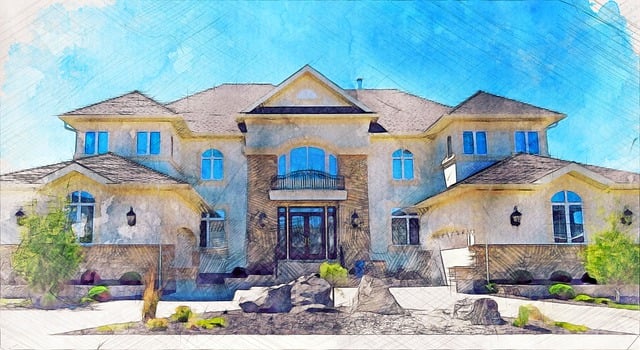
Affordable housing initiatives play a pivotal role in ensuring long-term sustainability and housing security for all segments of society. One effective strategy gaining traction is the focus on multifamily housing, such as those facilitated by multifamily loan Denver programs. These loans are specifically designed to support the development and preservation of multi-unit residential properties, catering to a wide range of income levels. The benefits extend beyond immediate cost savings; they contribute to building resilient communities that can weather economic fluctuations.
The long-term impact of such initiatives is profound. By providing stable, affordable housing options, individuals and families are empowered to invest in their communities and break cyclical patterns of poverty. For instance, a recent study revealed that neighborhoods with a higher concentration of affordable housing exhibit improved social cohesion, better educational outcomes, and reduced crime rates. This ripple effect not only benefits individual residents but also enhances the overall economic vitality of the region. Denver’s own experience with multifamily loan programs serves as a testament to this; the city has seen a significant increase in accessible housing, leading to a more diverse and thriving urban landscape.
Practical steps towards sustainability include policy advocacy for tax incentives supporting affordable housing development, collaboration between public and private sectors, and innovative financing models like Denver’s approach. Moreover, investors can play a crucial role by prioritizing long-term returns rather than short-term gains, ensuring these initiatives remain viable. By adopting these strategies, communities can foster inclusivity, reduce homelessness, and create sustainable ecosystems that thrive over generations.
The article has comprehensively explored affordable housing initiatives in Denver, highlighting the multifaceted approach necessary to address this critical challenge. Key insights include the vital role of multifamily loan programs in stimulating economic growth, the importance of community engagement for fostering support, the need for thoughtful design and construction to create quality low-cost housing, and ensuring long-term sustainability to guarantee housing security for all residents. By synthesizing these learnings, Denver can leverage multifamily loan programs as a powerful catalyst while implementing strategies that prioritize community involvement and innovative housing solutions. This comprehensive approach will pave the way for building inclusive, sustainable communities where affordable housing is not just an option but a reality for every resident.