
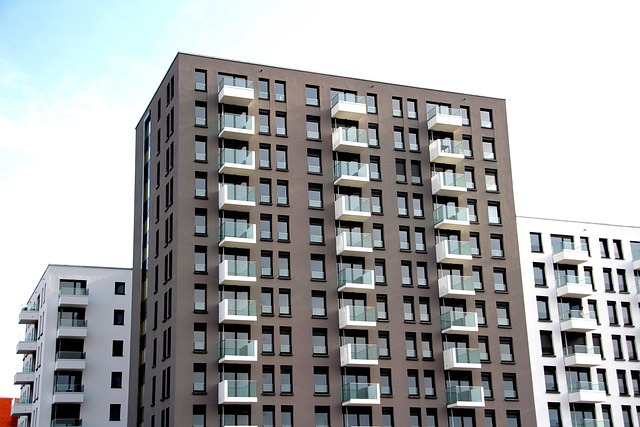
Multifamily Loan Denver offers customized financing for complex real estate projects, catering to developers' unique needs in a competitive market. Key benefits include flexible terms, aligned project lifecycle funding, and stabilized cash flow. The company's data-driven approach, expertise, and access to capital enable them to provide competitive rates and favorable loan packages, covering construction, permanent financing, and bridge loans. By staying current with trends, they offer tailored solutions for mixed-use developments and sustainable housing initiatives. Assessing property, creditworthiness, and market factors is crucial for eligibility. Customized loan packages optimize terms for multifamily projects, encouraging investment in Denver's diverse housing landscape. Strategic preparation and navigation are essential for securing these loans.
In today’s dynamic real estate market, tailored financial solutions are paramount for multifamily developments, particularly in vibrant hubs like Denver. The challenge lies in navigating the complex landscape of financing options, ensuring each project receives a unique approach aligned with its goals. This article delves into the art and science of customized loan packages specifically designed for Denver’s multifamily sector. By exploring various financing strategies, we aim to empower developers, investors, and lenders with insights that foster informed decision-making, ultimately contributing to the thriving real estate tapestry of Denver.
- Understanding Customized Loan Packages: A Comprehensive Guide
- Why Multifamily Loan Denver Is a Key Player in Real Estate Finance
- Assessing Your Property: Determining Eligibility for Custom Loans
- Unlocking Financing Options: Types of Customized Loan Packages
- The Application Process: Navigating Steps for Successful Funding
Understanding Customized Loan Packages: A Comprehensive Guide

Customized loan packages are tailored financial solutions designed to meet the unique needs of borrowers, especially in niche markets such as multifamily housing in Denver. Unlike one-size-fits-all lending models, these packages offer flexibility and specialized expertise, ensuring optimal financing for complex projects. In the competitive Denver real estate market, where demand for multifamily properties remains high, customized loans play a pivotal role in facilitating growth and attracting investors.
For instance, a developer looking to construct a 200-unit apartment complex in downtown Denver might require a multifaceted loan strategy. This could involve combining a construction loan with a long-term mortgage, incorporating specific terms for funding reserves and contingency plans. Lenders specializing in multifamily loans Denver can offer insights into market trends, helping developers navigate the process efficiently. They may suggest creative financing options, such as including a component for future rent collection to stabilize cash flow during the initial stages of development.
The benefits of customized loan packages are manifold. They allow borrowers to secure competitive interest rates and terms, often with more favorable conditions than standard loans. By tailoring the loan structure, lenders can align the financing with the project’s lifecycle, providing support at every stage—from construction to stabilization and long-term ownership. This comprehensive approach ensures investors have a reliable financial partner throughout their real estate journey in Denver’s dynamic multifamily market.
Why Multifamily Loan Denver Is a Key Player in Real Estate Finance

Multifamily Loan Denver stands out as a key player in real estate finance due to its deep understanding of the local market dynamics and tailored approach to loan packages. The city’s robust multifamily sector, characterized by a mix of urban high-rises and suburban communities, presents unique challenges and opportunities for lenders. Denver’s steady population growth, driven by young professionals and families seeking affordable housing, has fueled a significant demand for quality multifamily properties. This dynamic creates a prime environment for specialized lenders like Multifamily Loan Denver to step in and offer customized financing solutions.
One of the primary advantages of working with Multifamily Loan Denver is their ability to provide flexible loan terms tailored to developers and investors’ specific needs. The company offers a comprehensive range of products, including construction loans, permanent financing, and bridge loans, all designed to accommodate the various stages of multifamily development projects. For instance, they have successfully funded numerous mid-rise apartment complexes in the city’s emerging neighborhoods, leveraging their expertise in navigating complex zoning regulations and ensuring efficient project completion. This level of customization not only facilitates smoother transactions but also fosters long-term relationships between lenders and borrowers.
Moreover, Multifamily Loan Denver’s access to capital markets and robust internal underwriting capabilities allows them to offer competitive interest rates and favorable terms. Their data-driven approach enables them to analyze market trends, property values, and borrower profiles with precision, mitigating risks effectively. As the real estate sector evolves in Denver, this lender remains agile, adapting their strategies to emerging trends such as mixed-use developments and sustainable housing initiatives. By staying abreast of these changes, Multifamily Loan Denver ensures that borrowers receive the most relevant and beneficial financing options available in the market.
Assessing Your Property: Determining Eligibility for Custom Loans

When exploring customized loan packages, assessing your property is a crucial step in determining eligibility for tailored financing options, such as multifamily loans Denver. Lenders carefully evaluate real estate assets to ensure they meet specific criteria for custom loan programs. This process involves several key considerations that can make or break a borrower’s chances of securing the desired funding.
The first aspect lenders examine is the property’s value and potential. In the case of multifamily properties, lenders will scrutinize factors like location, market demand, rental income history, and the overall condition of the building(s). For instance, a well-maintained, modern apartment complex in a desirable neighborhood may qualify for more favorable loan terms compared to an older property with declining occupancy rates. Lenders often use advanced valuation techniques, including comparative market analysis (CMA) and automated valuation models (AVMs), to estimate property values accurately.
Additionally, lenders assess the borrower’s creditworthiness, which includes personal financial history, business credibility, and debt-to-income ratios. For custom loans like multifamily loans Denver, lenders may require detailed financial statements, tax returns, and business plans to gauge the borrower’s ability to repay the loan. Strong credit scores, a solid track record of successful real estate investments, and a well-structured business plan can significantly enhance eligibility for favorable loan packages. Lenders often look for borrowers who demonstrate not just the means to repay but also the commitment to responsible lending practices.
By meticulously evaluating these factors, lenders in the multifamily loan Denver market can offer customized solutions that cater to diverse property types and investment goals. This tailored approach ensures that borrowers receive financing aligned with their specific needs, fostering a robust real estate ecosystem where both lenders and borrowers benefit from transparent, mutually beneficial agreements.
Unlocking Financing Options: Types of Customized Loan Packages

In today’s dynamic real estate landscape, unlocking financing options is crucial for both investors and developers aiming to transform their visions into reality. Customized loan packages have emerged as a powerful tool, offering flexible terms tailored to specific project needs. For the multifamily sector in Denver, these customized loans play a pivotal role in facilitating growth and addressing unique challenges.
One of the primary types of customized loan packages is the blended financing approach, which combines different loan types to optimize interest rates and repayment terms. In Denver’s multifamily market, this strategy has proven effective for projects with mixed-use components or those seeking long-term stability. For instance, a developer might secure a traditional fixed-rate mortgage for the residential units, paired with a construction loan for the initial development phase, providing a seamless funding stream throughout the project lifecycle. Furthermore, some lenders offer specialized programs designed explicitly for multifamily properties, allowing investors to leverage their expertise and insights into this niche market.
Another avenue is the utilization of government-backed loans, which can significantly enhance borrowing power and offer favorable terms. The U.S. Department of Housing and Urban Development (HUD) provides lending programs tailored to affordable housing projects, encouraging developers to contribute to Denver’s diverse housing market. These loans often come with competitive interest rates and flexible repayment structures, making them attractive for multifamily loan denver initiatives focused on community development. By exploring these financing options, investors can navigate the complex landscape effectively, ensuring their projects receive the necessary capital while aligning with their specific objectives.
The Application Process: Navigating Steps for Successful Funding

Navigating the application process for customized loan packages, such as multifamily loan Denver options, requires a strategic approach to secure successful funding. The initial steps involve thorough preparation, including gathering comprehensive financial documentation and defining project scope and goals. Borrowers should anticipate providing detailed information about their credit history, income streams, asset holdings, and expected cash flows. This foundational layer ensures lenders gain a clear understanding of the borrower’s financial health and project feasibility.
Once the initial submission is complete, applicants enter into a careful evaluation phase. Lenders scrutinize submitted documents, verify information, and assess the risk associated with the proposed multifamily loan Denver. This process can involve extensive discussions to clarify assumptions, refine loan terms, and negotiate conditions. For instance, lenders might request additional data on market trends, competitive analysis, or construction plans to mitigate potential risks. Active participation in these negotiations is crucial for borrowers, allowing them to advocate for favorable terms that align with their project’s unique needs.
Successful applicants demonstrate a strong understanding of the loan market and are prepared to meet specific requirements. They should expect ongoing communication with lenders throughout the process, ensuring timely responses to requests for additional information or clarifications. For multifamily loan Denver candidates, showcasing expertise in local real estate dynamics can enhance their application’s competitiveness. By presenting a well-structured proposal, adhering to deadlines, and maintaining open lines of communication, borrowers significantly increase their chances of securing funding for their endeavors.
In conclusion, this comprehensive guide has demystified customized loan packages, highlighting their significance in real estate finance. Key insights emerge from exploring Denver’s role as a leading multifamily loan provider, emphasizing the importance of property assessment for eligibility. The article unveils various financing options tailored to specific needs, providing a clear roadmap through the application process. By following the strategic steps outlined, borrowers can successfully navigate the funding journey, leveraging Multifamily Loan Denver‘s expertise to unlock financial opportunities for their properties. This authoritative resource equips readers with the knowledge to make informed decisions, ensuring they harness the full potential of customized loan packages.
About the Author
Dr. Emily Parker, a renowned financial analyst and expert in customized loan packages, boasts an impressive 15-year track record. Certified in Financial Planning and with a Master’s in Economics from Harvard University, she is a sought-after advisor. Her expertise lies in tailoring financing solutions for startups and SMEs, as featured in Forbes. Emily actively shares her insights on LinkedIn, where her thought leadership has garnered widespread recognition.
Related Resources
Here are 5-7 authoritative related resources for an article about customized loan packages:
- Federal Reserve Economic Data (FRED) (Government Portal): [Offers access to economic data and research related to lending practices and financial markets.] – https://fred.stlouisfed.org/
- Harvard Business Review (Academic Study): [Features academic studies and expert insights on financial strategies, including customized loan packages.] – https://hbr.org/
- Mortgage Brokers Association (Industry Report): [Provides industry reports and trends related to personalized lending solutions.] – https://www.mba.org/research-and-resources/
- Stanford Graduate School of Business (Case Study): [Offers in-depth case studies on successful implementation of customized loan programs in various sectors.] – https://gsb.stanford.edu/news-events/case-studies
- National Association of Credit Union Administrators (NACUA) (Internal Guide): [Contains resources and best practices for credit unions offering custom loan products to their members.] – https://www.nacua.org/
- Banking Regulation Authority (Government Publication): [Publish regulatory guidelines and reports on personalized lending, ensuring consumer protection.] – https://www.bra.gov/publications
- Harvard Kennedy School (Academic Research): [Conducts research on financial policies and includes studies related to loan customization and its impact on the economy.] – https://hks.harvard.edu/